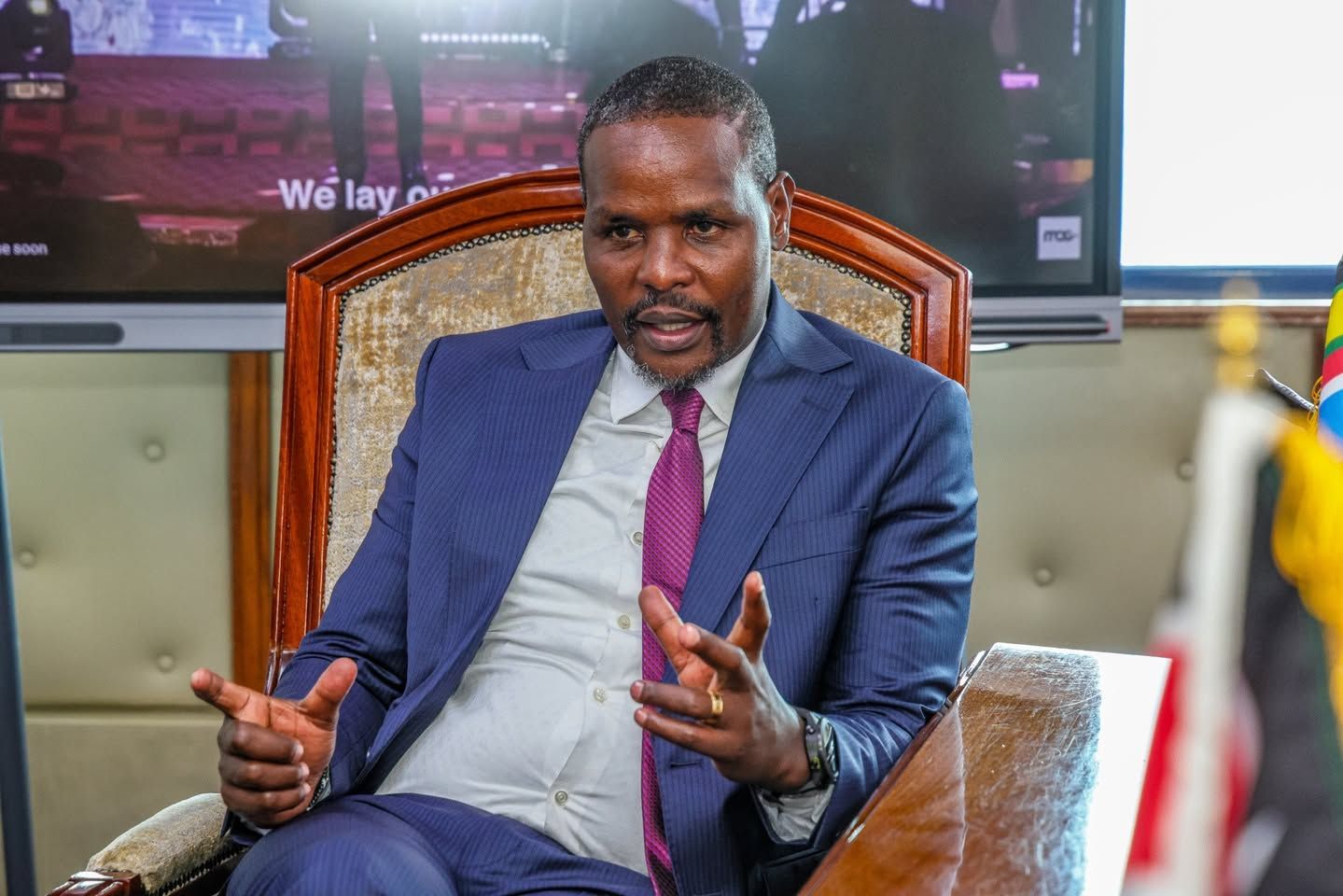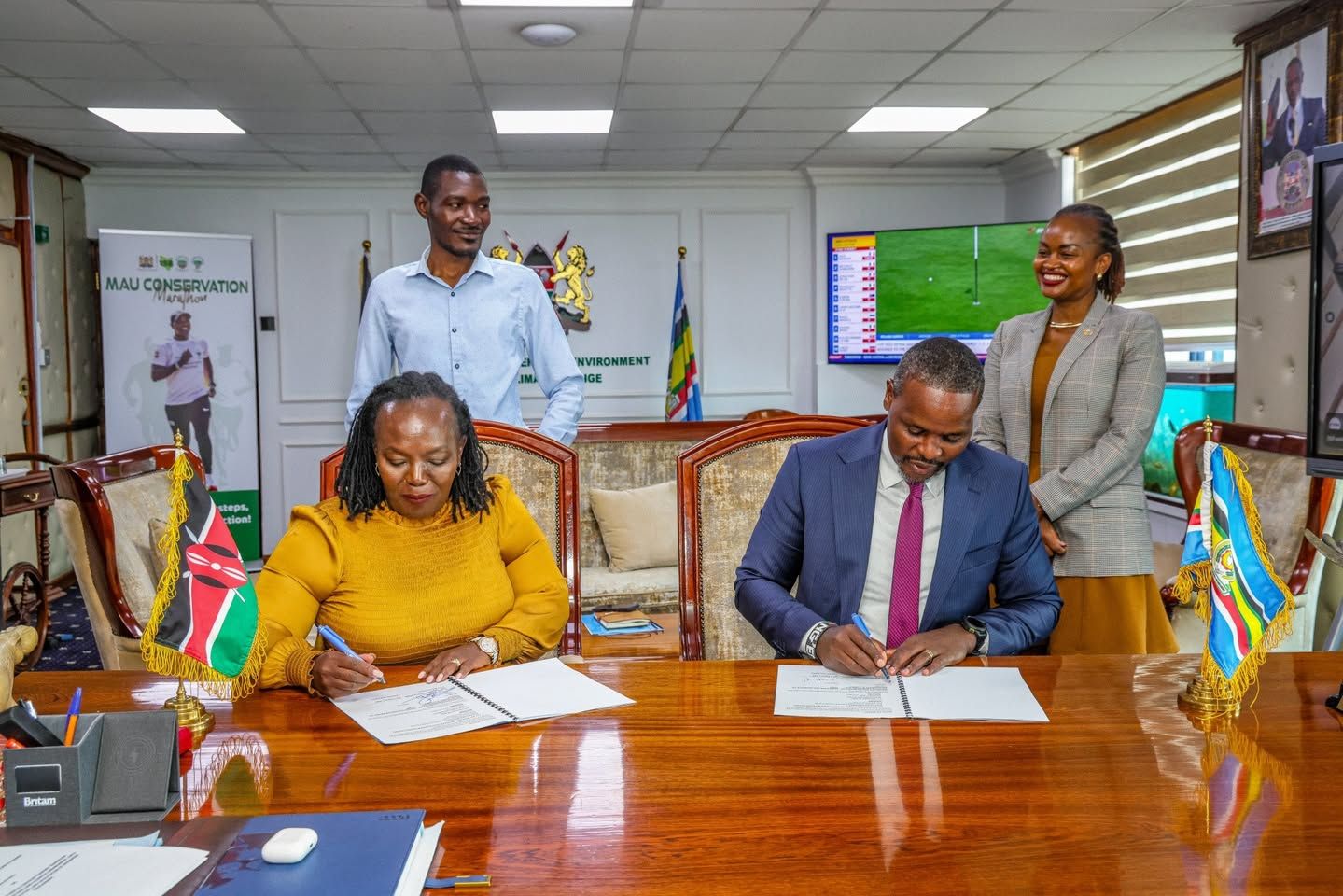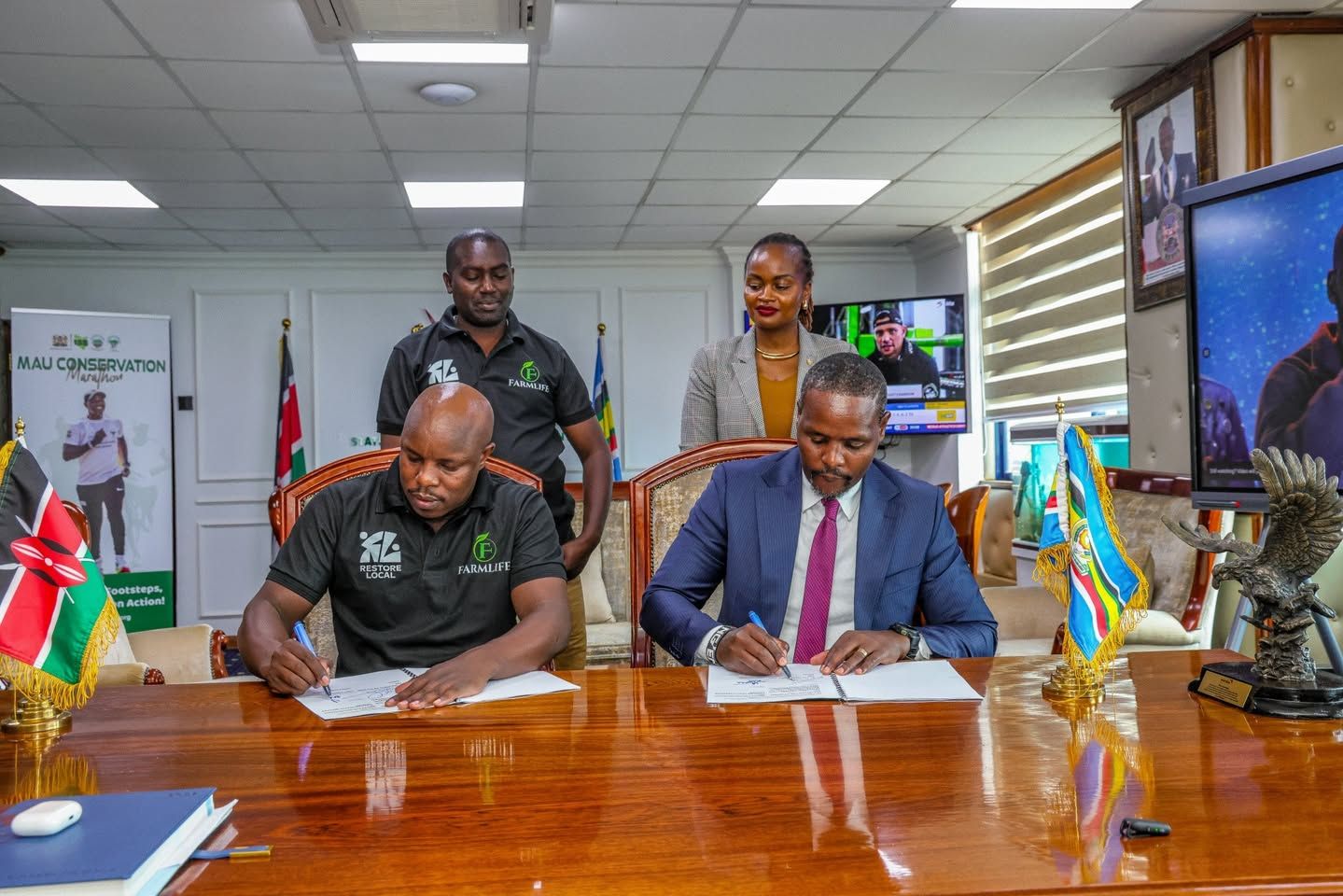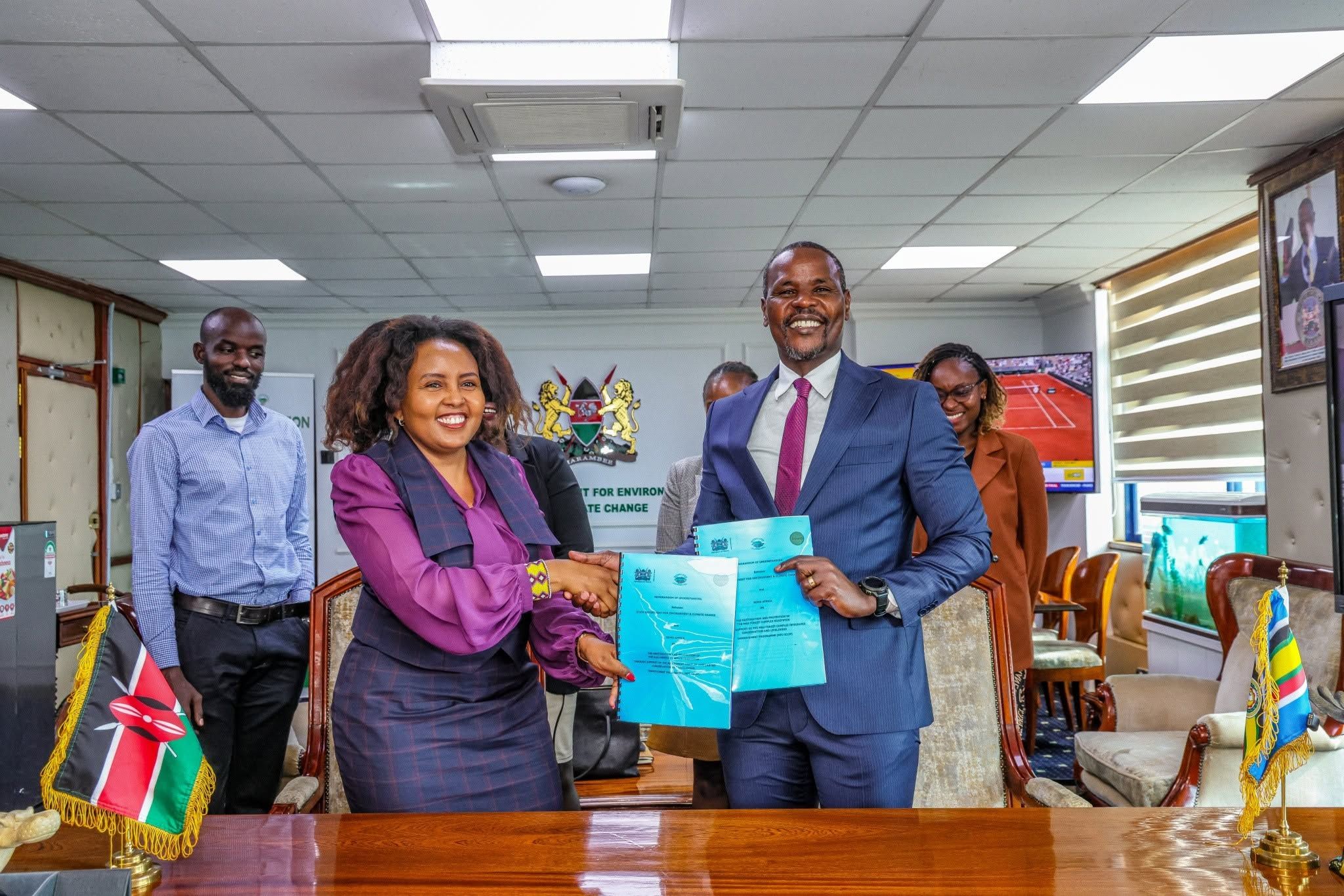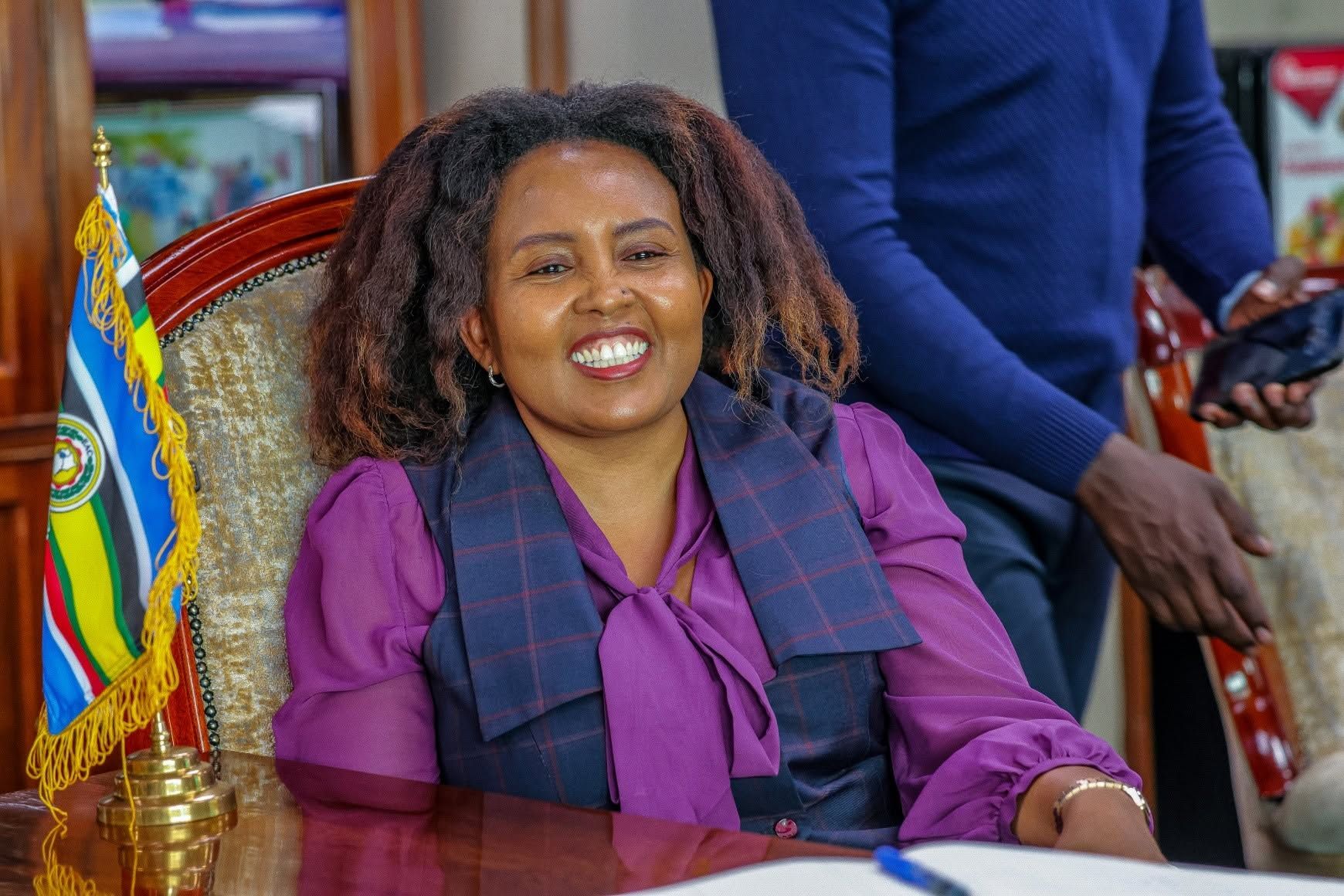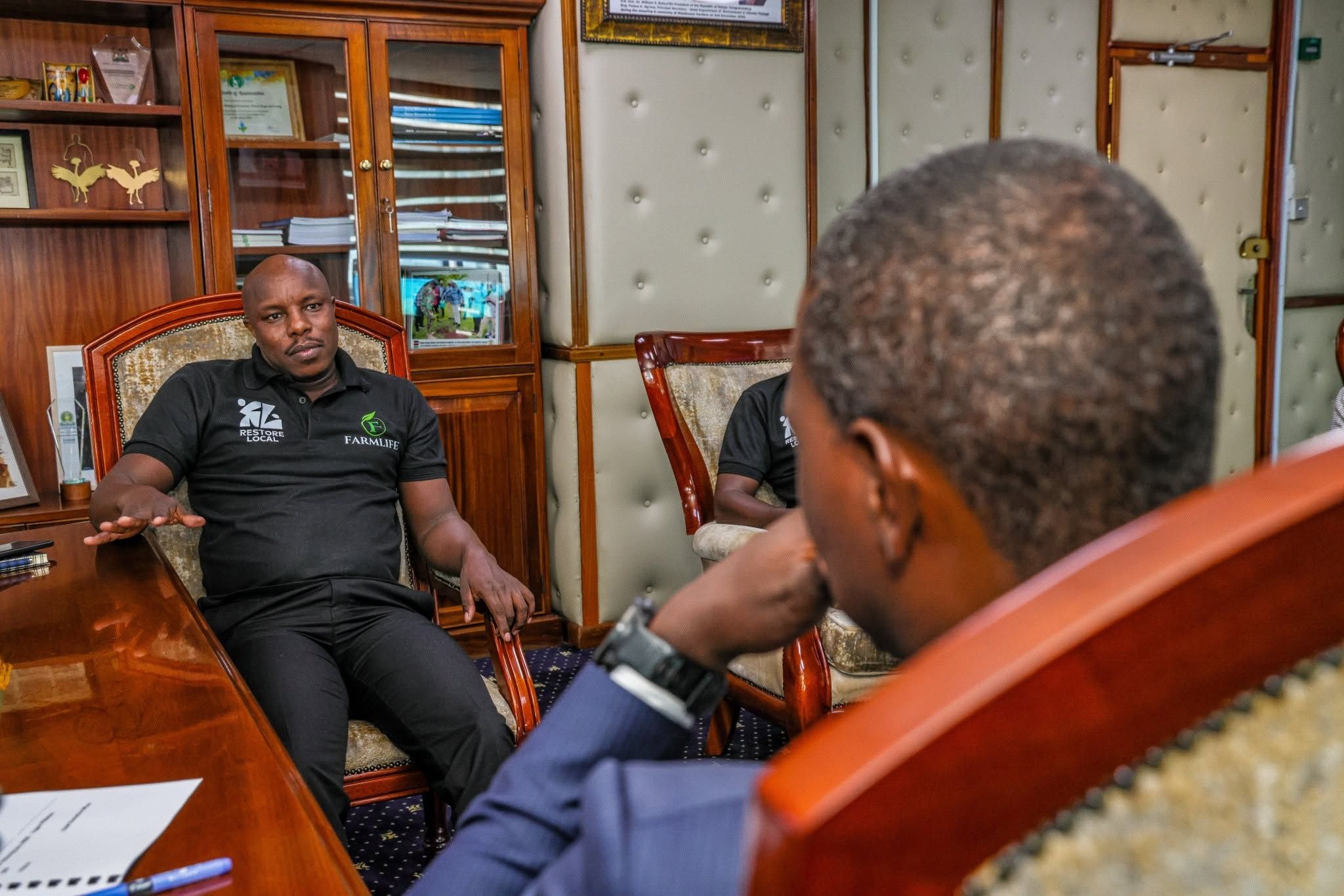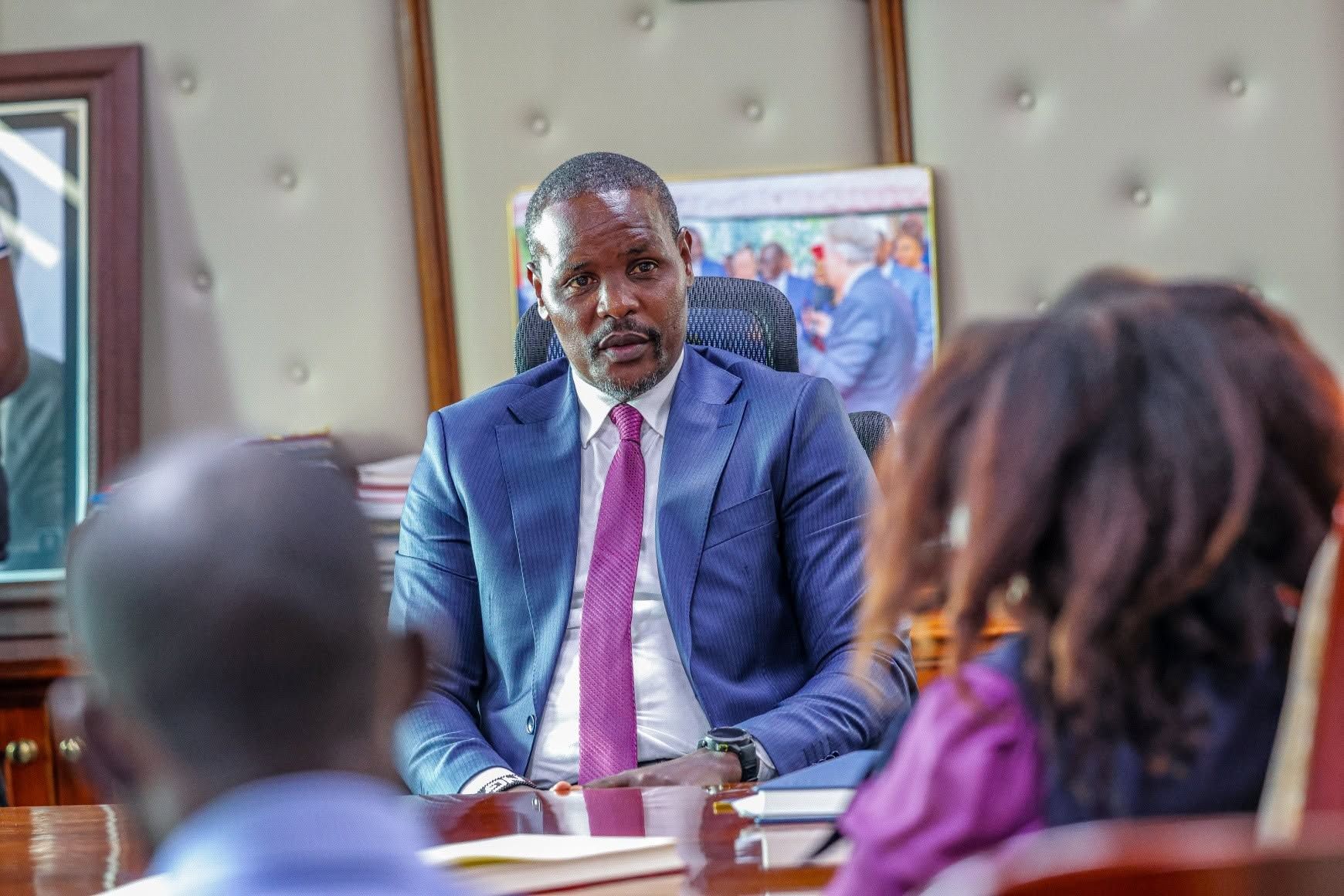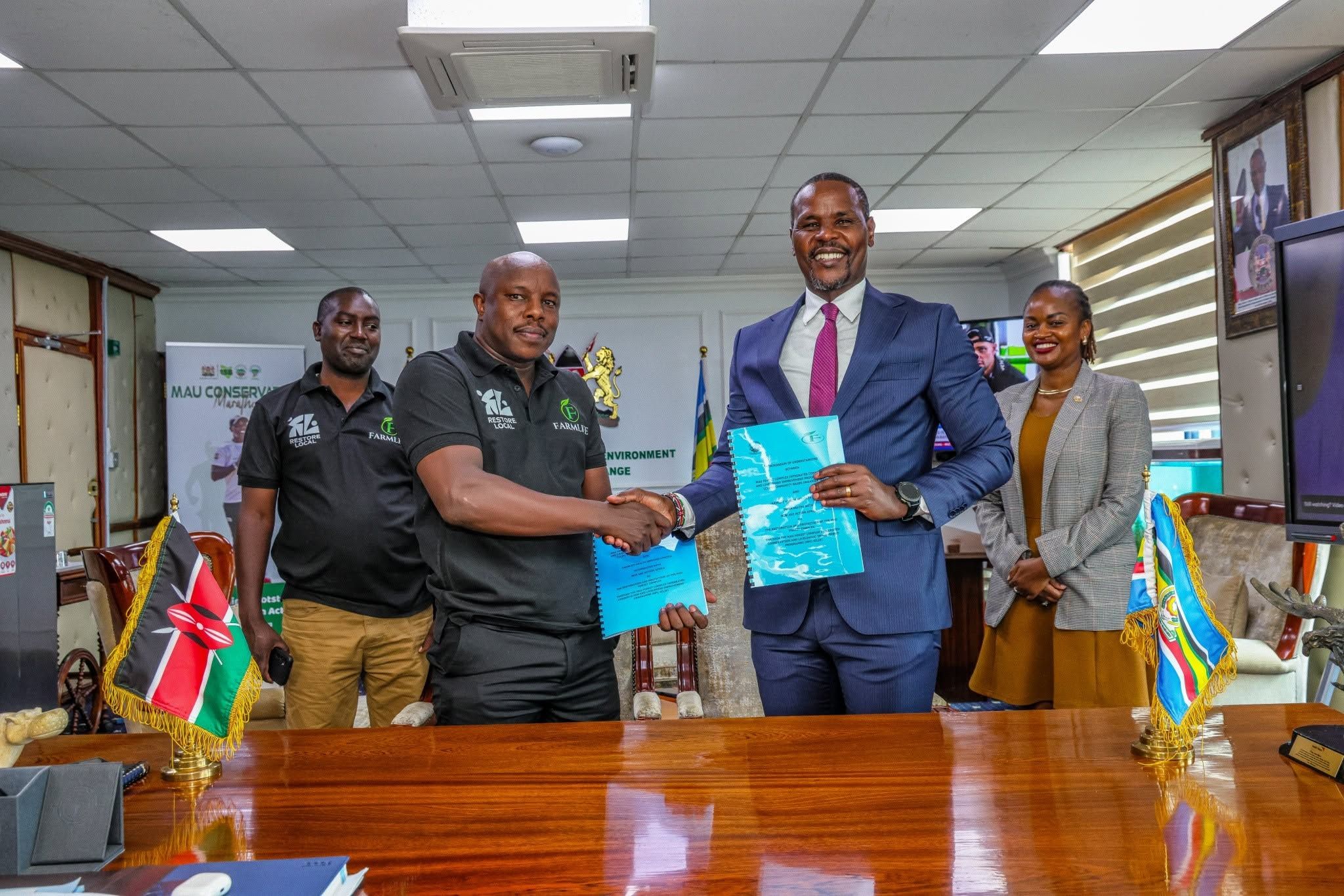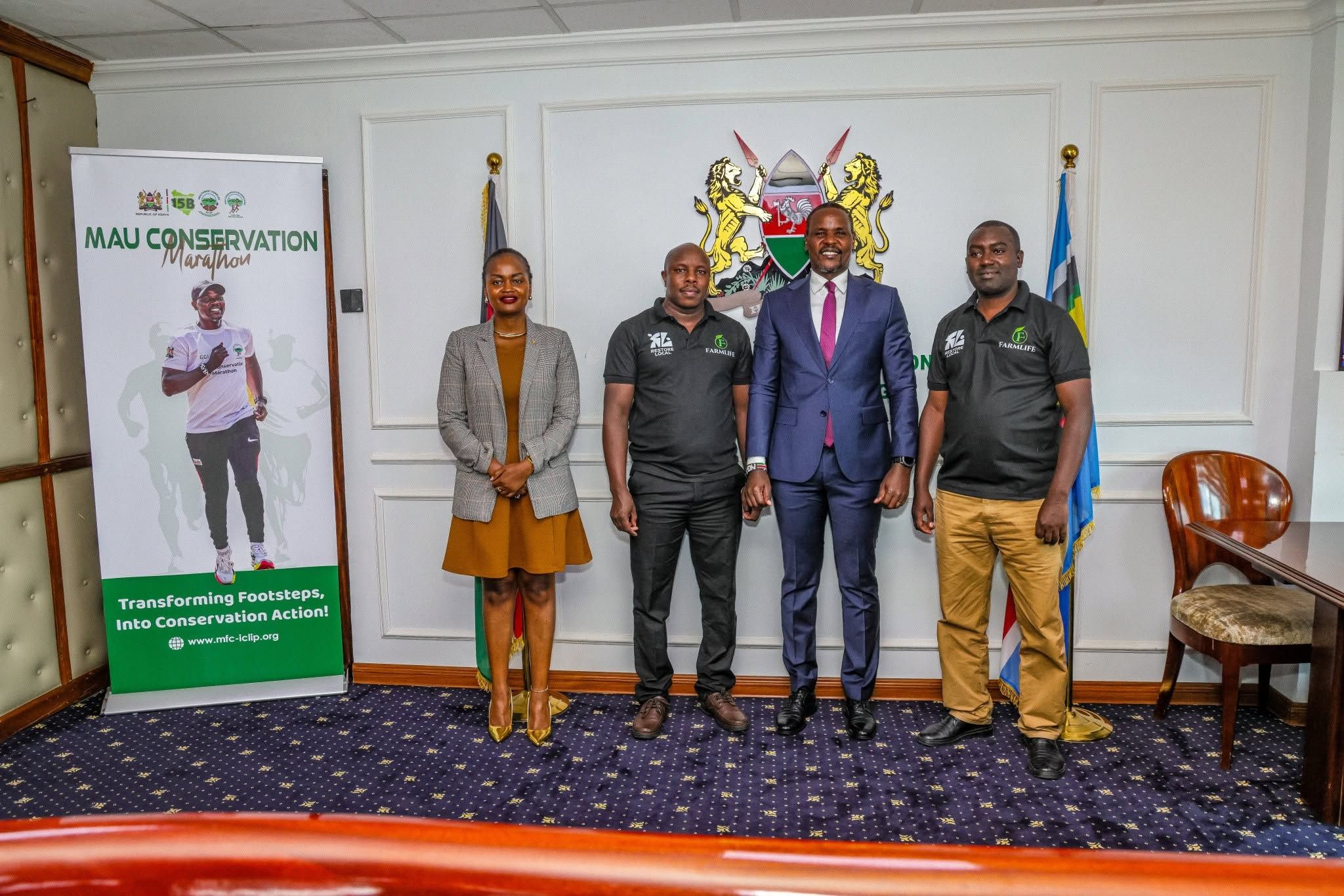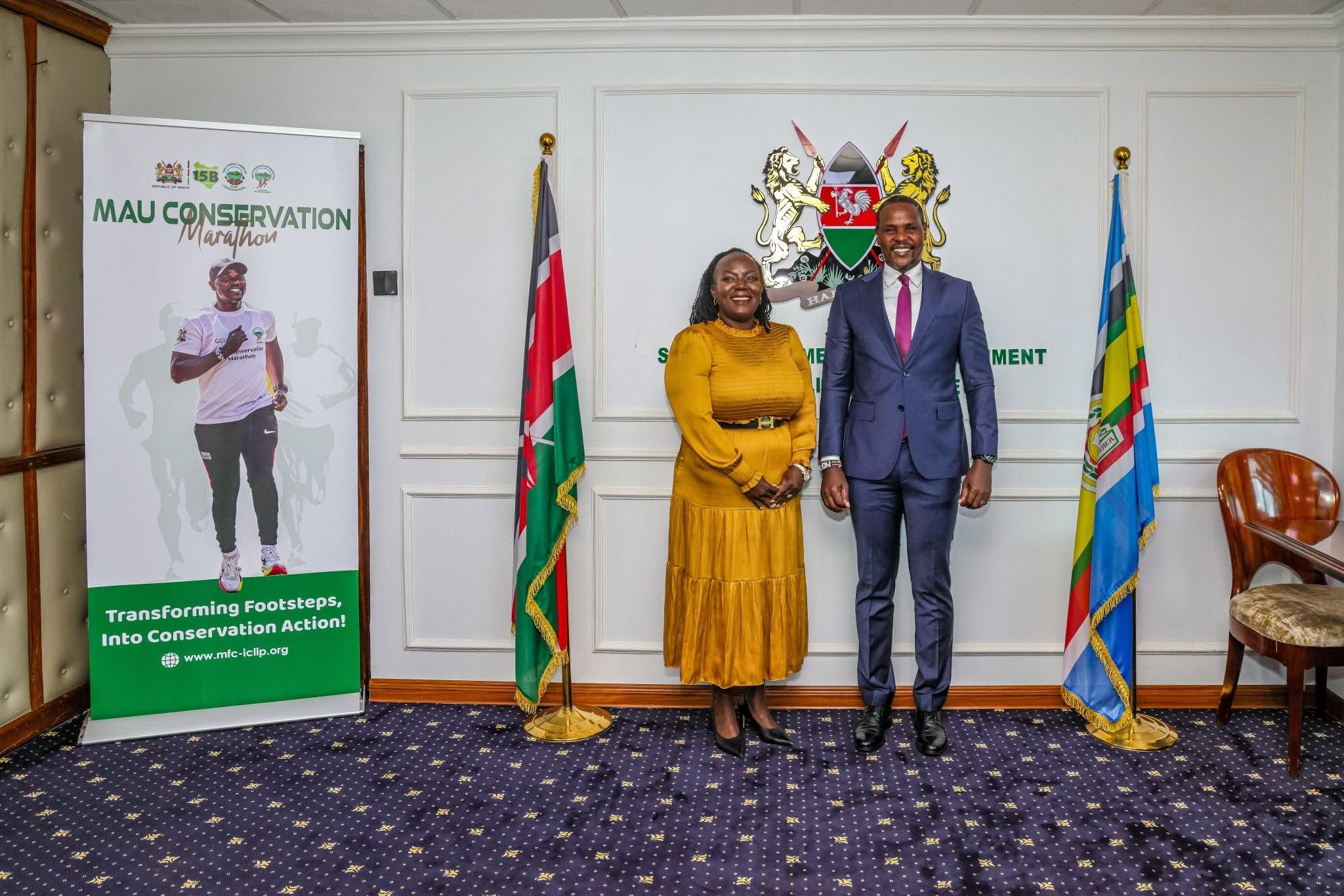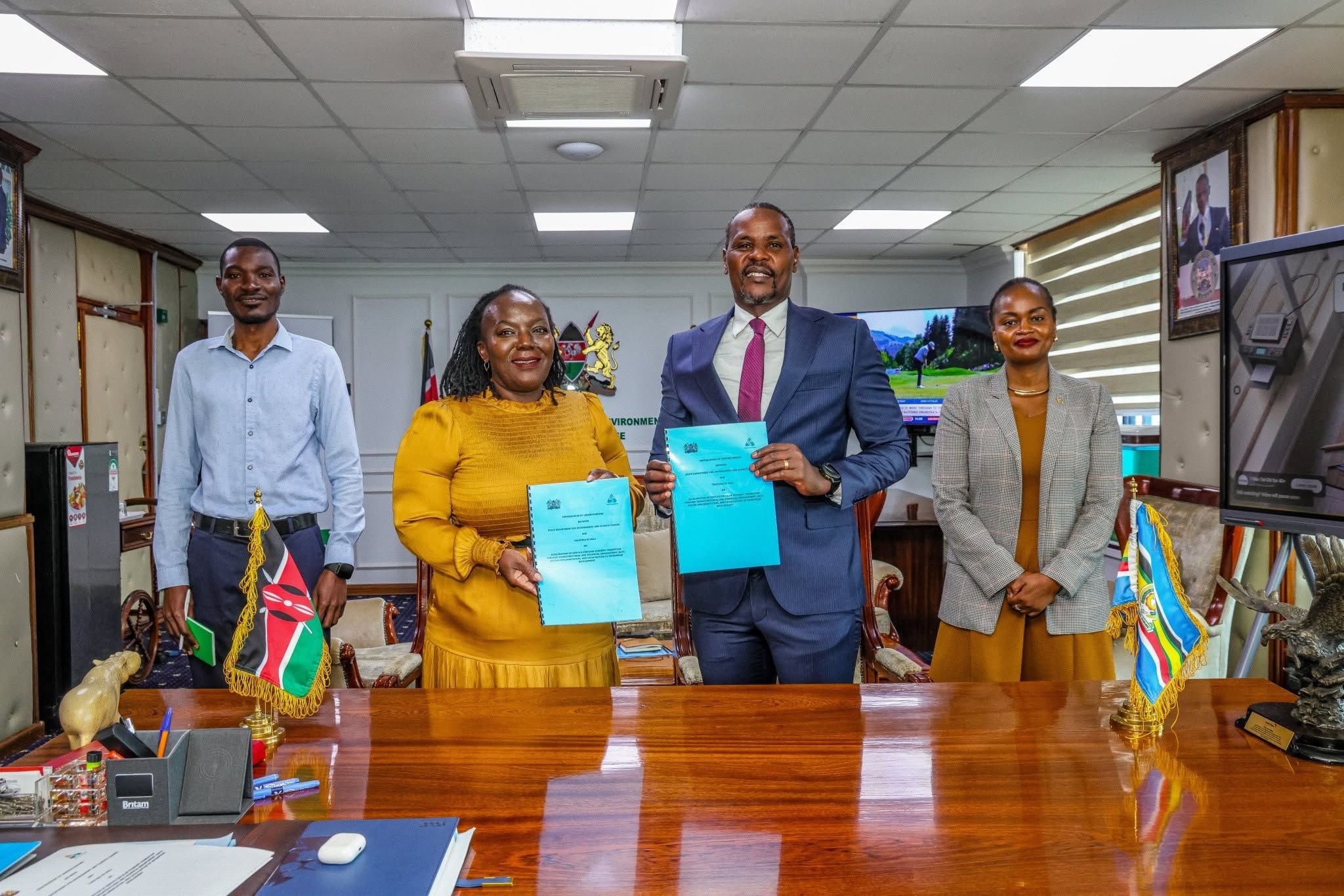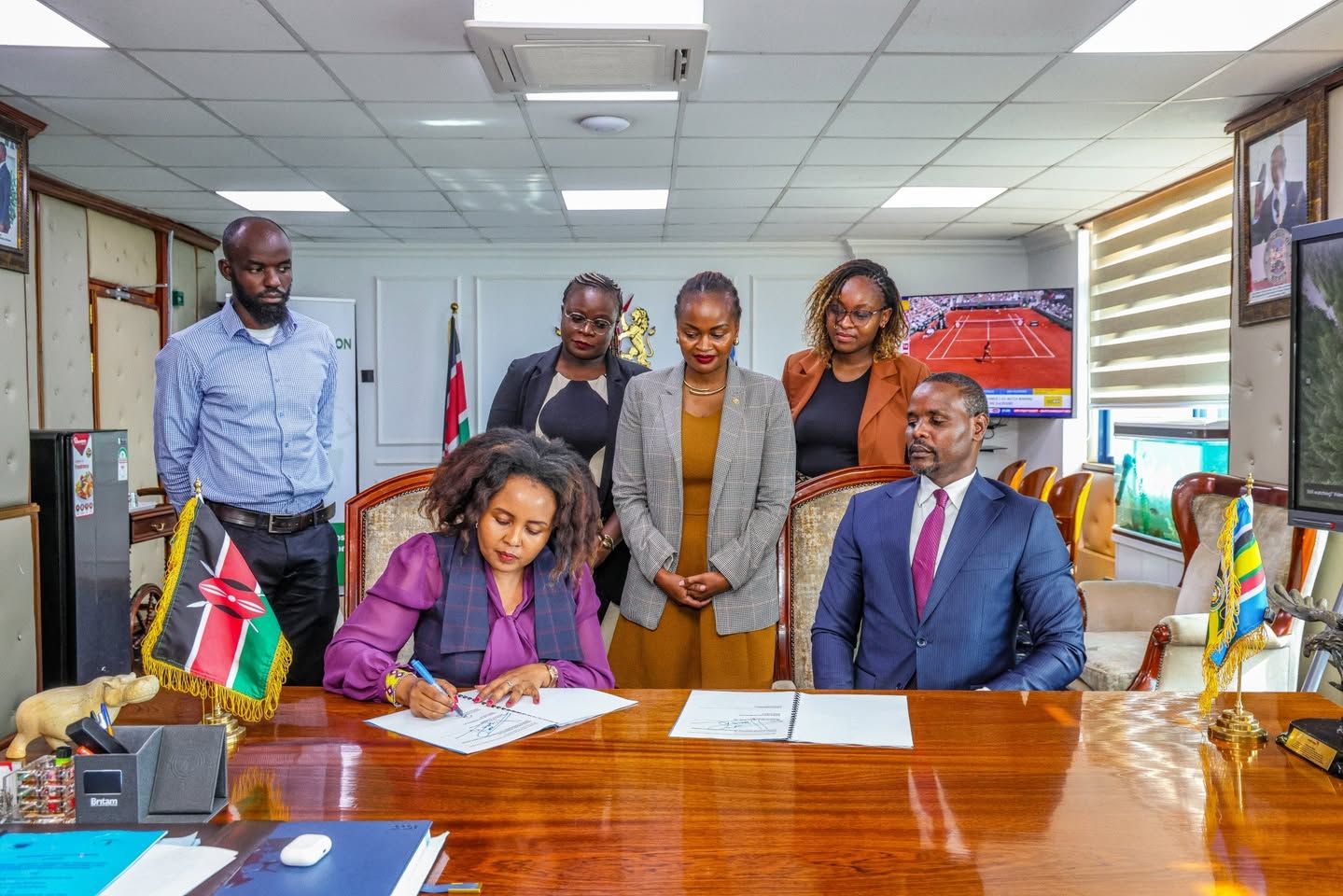
Translating national environmental policies into real economic opportunities requires uniting high-level government commitments with practical execution on the ground. In a major step toward sustainable development, Somo has officially signed a landmark five-year strategic Memorandum of Understanding (MoU) with Kenya’s Ministry of Environment, Climate Change, and Forestry. The partnership formally launches Somo’s newest Tengeneza Circular Shared Production Hub in Molo, combining public infrastructure with operational capacity to power green economic growth.
A Strategic Public-Private Partnership
Under this public-private partnership, the Ministry of Environment is allocating physical operational space as an in-kind contribution. Somo will deploy its established operational model to build, manage, and scale the production facility. By combining public resources with private-sector execution, the agreement creates a sustainable blueprint for local industrialization and environmental protection. "By aligning national environmental mandates with grassroots execution, we aren’t just dreaming of a green economy—we are actively manufacturing it."
Removing Barriers for Grassroots Enterprises
Protecting the Mau Forest Ecosystem The choice of location carries significant ecological importance. Molo borders the Mau Forest ecosystem, one of Kenya’s primary water towers and a vital natural asset under threat from environmental degradation. To safeguard this critical ecosystem, local communities need sustainable, commercial alternatives to forest-depleting livelihoods. The Molo Tengeneza Hub addresses this need directly, offering rural farmers, youth, and local cooperatives bankable, eco-friendly income pathways that ease human pressure on the surrounding environment. Grassroots entrepreneurs in rural areas often face high capital barriers, regulatory hurdles, and limited financial access. Somo bridges these operational gaps through three key pillars: Shared Infrastructure: Farmers and cooperatives gain pay-as-you-go access to commercial-grade agro-processing machinery, removing the upfront capital cost of expensive equipment. Standardization & Compliance: On-site production specialists provide hands-on technical guidance, helping informal products achieve Kenya Bureau of Standards (KEBS) certification to reach mainstream consumer markets. Financial Inclusion: Entrepreneurs gain access to collateral-free growth capital, backed by Somo’s alternative credit scoring system (Somo Scorecard) and its AI-powered data tracking platform, DigiKua.
A Working Model for Sustainable Agribusiness
The Molo facility demonstrates how targeted investments in processing infrastructure and digital tracking can de-risk rural enterprises. By giving local communities the tools, certification support, and capital needed to process their yields sustainably, the initiative transforms environmental conservation into an active driver of regional prosperity.